
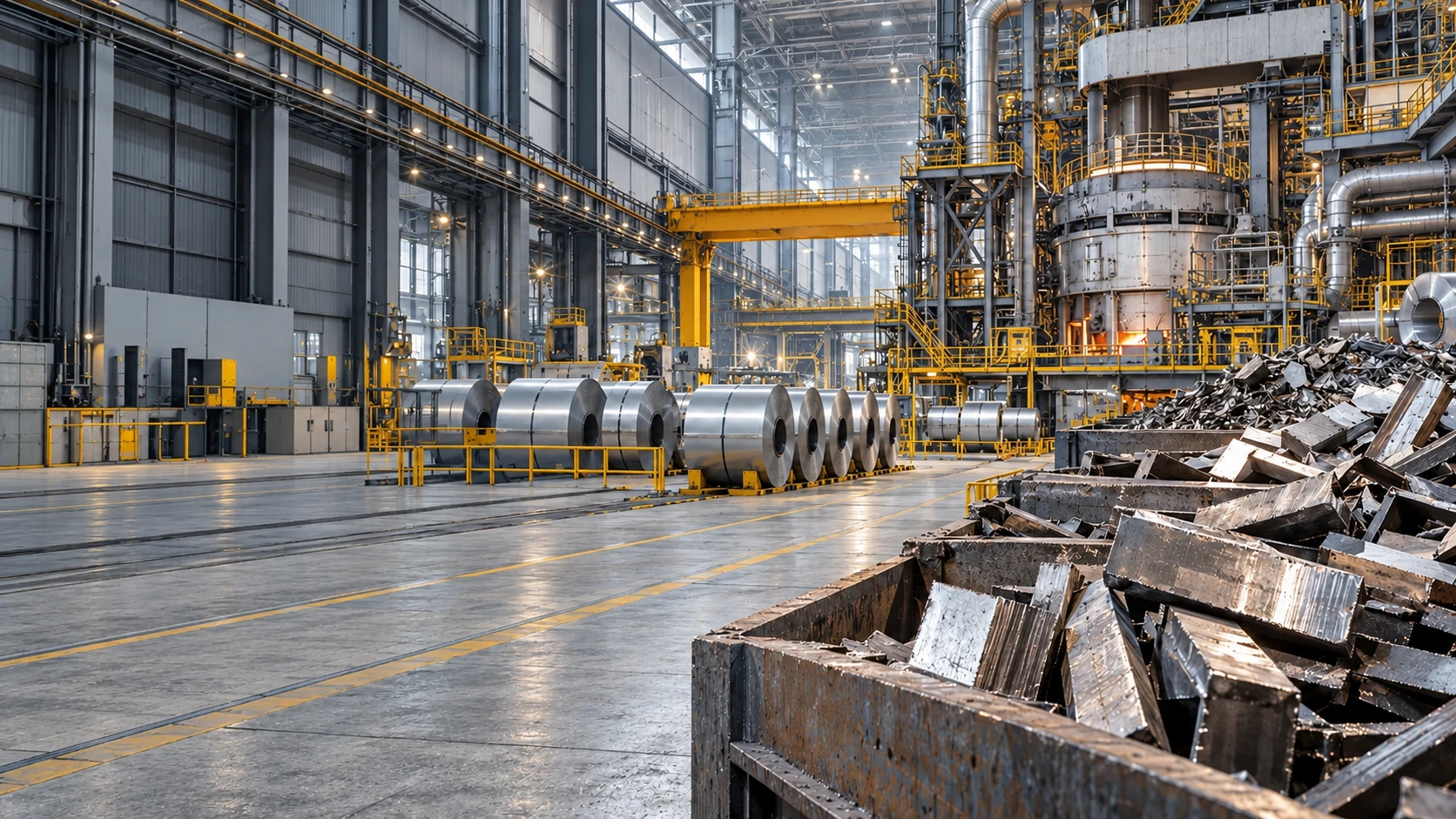
Processed steel scrap becomes quality-assured feedstock for new steel production.
Steel can be recycled repeatedly. Today, the key is both effective recycling and a reliable supply of specified scrap grades for steelworks, foundries and new applications.
CYCLES TODAY. INDUSTRY TOMORROW.
Steel has been recycled for centuries. Today, processed steel scrap is an internationally traded, quality-assured raw material and an integral part of modern steel production.
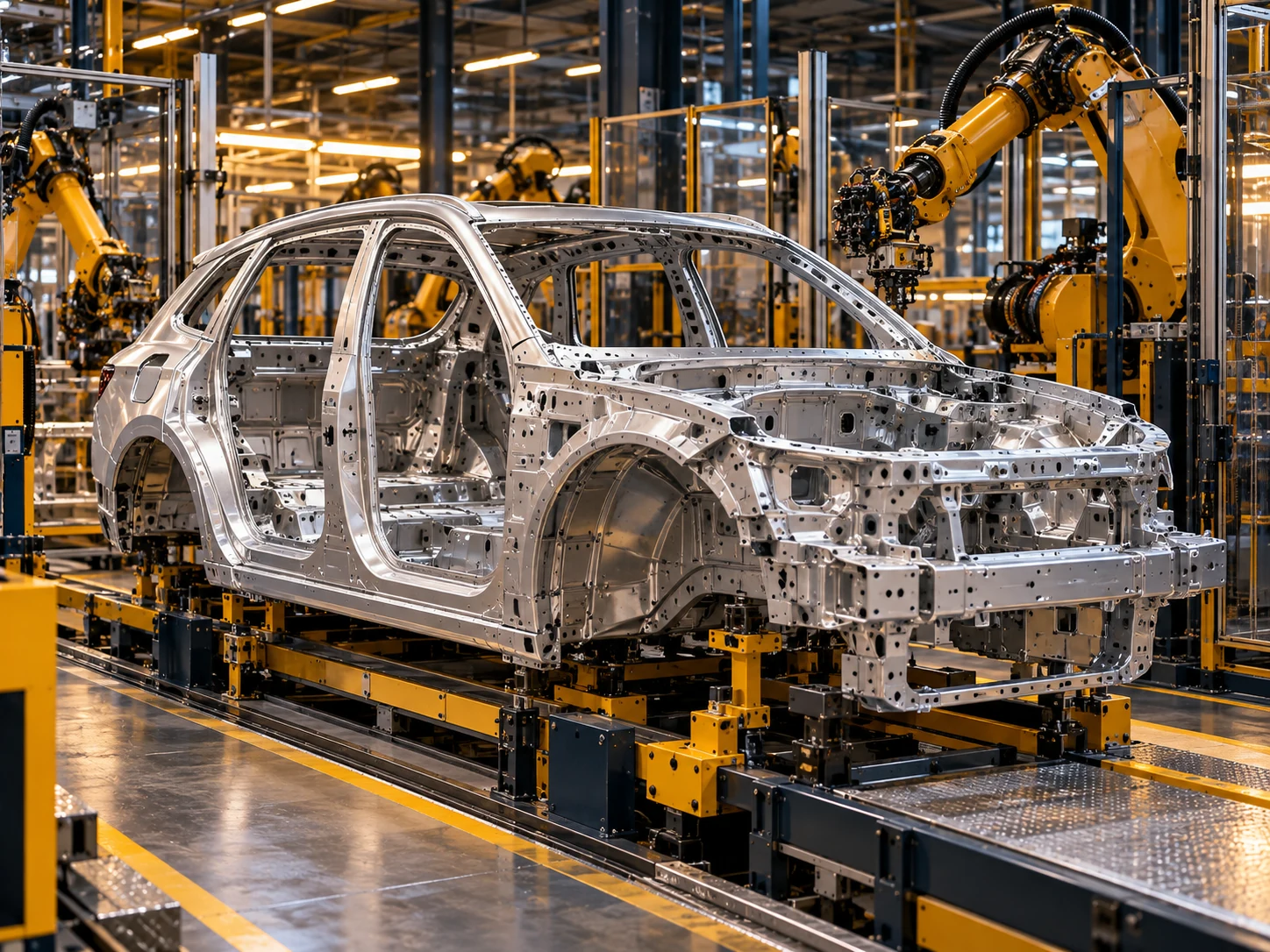
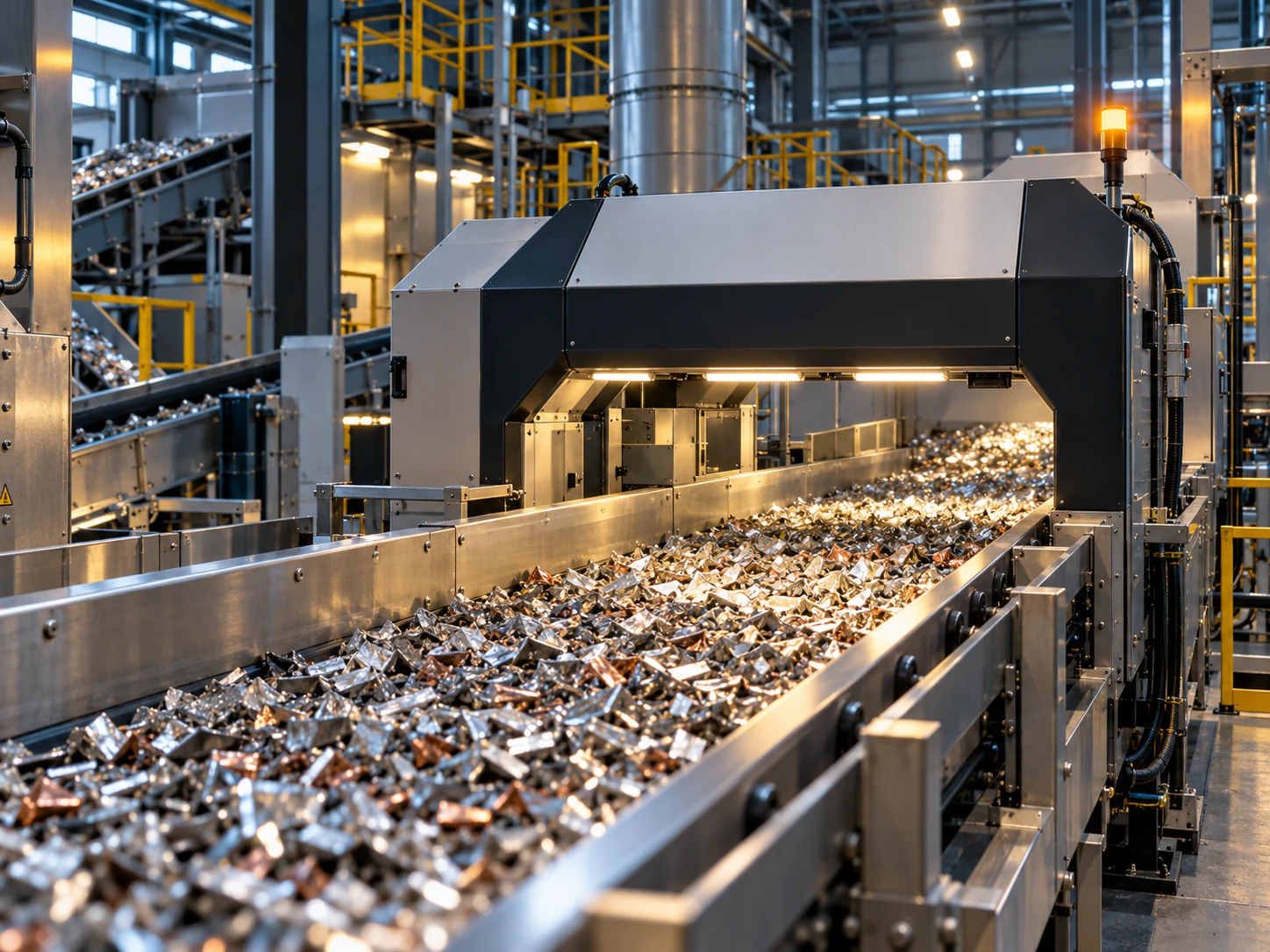
COLLECTION. SORTING. PROCESSING.
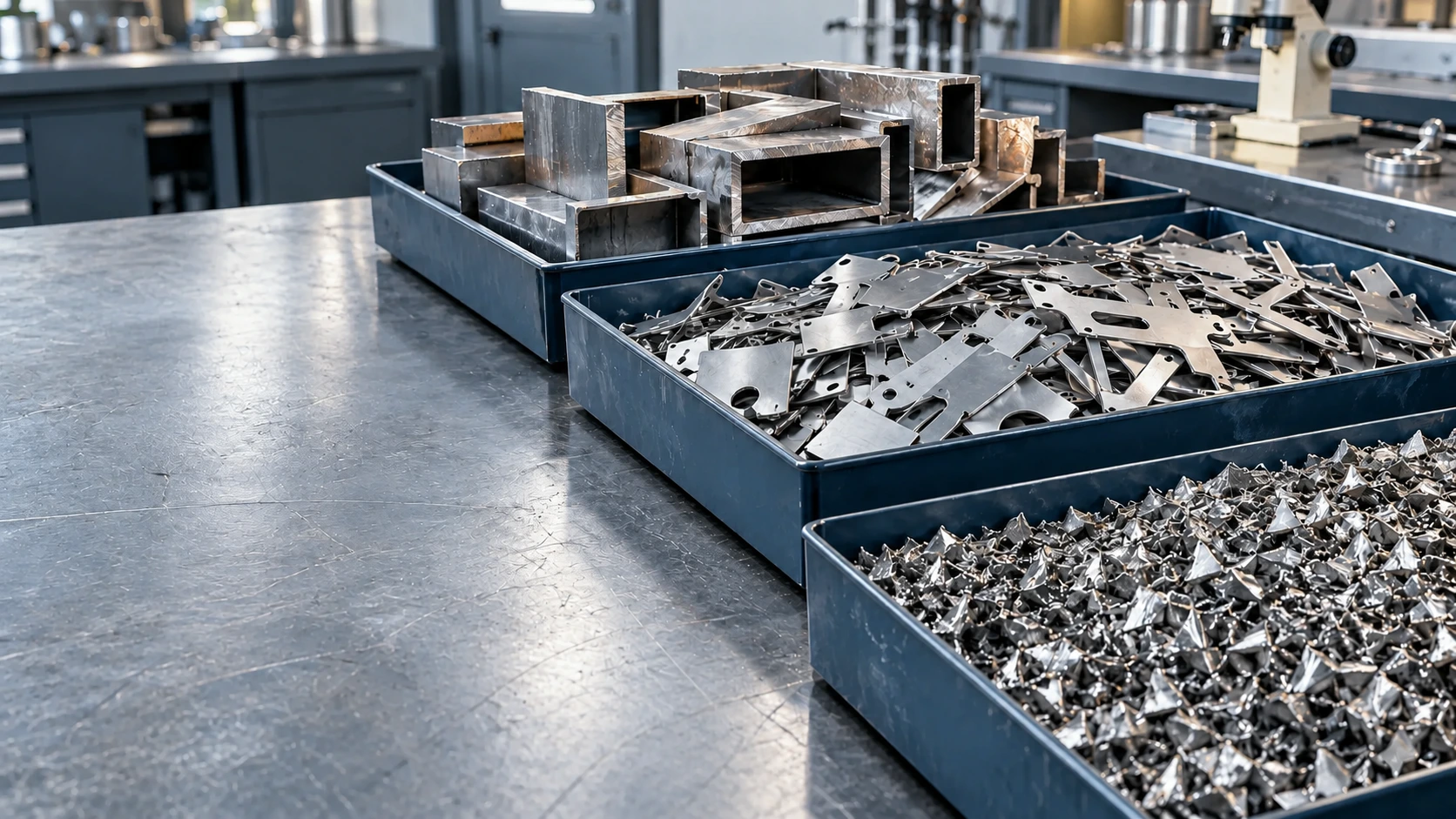
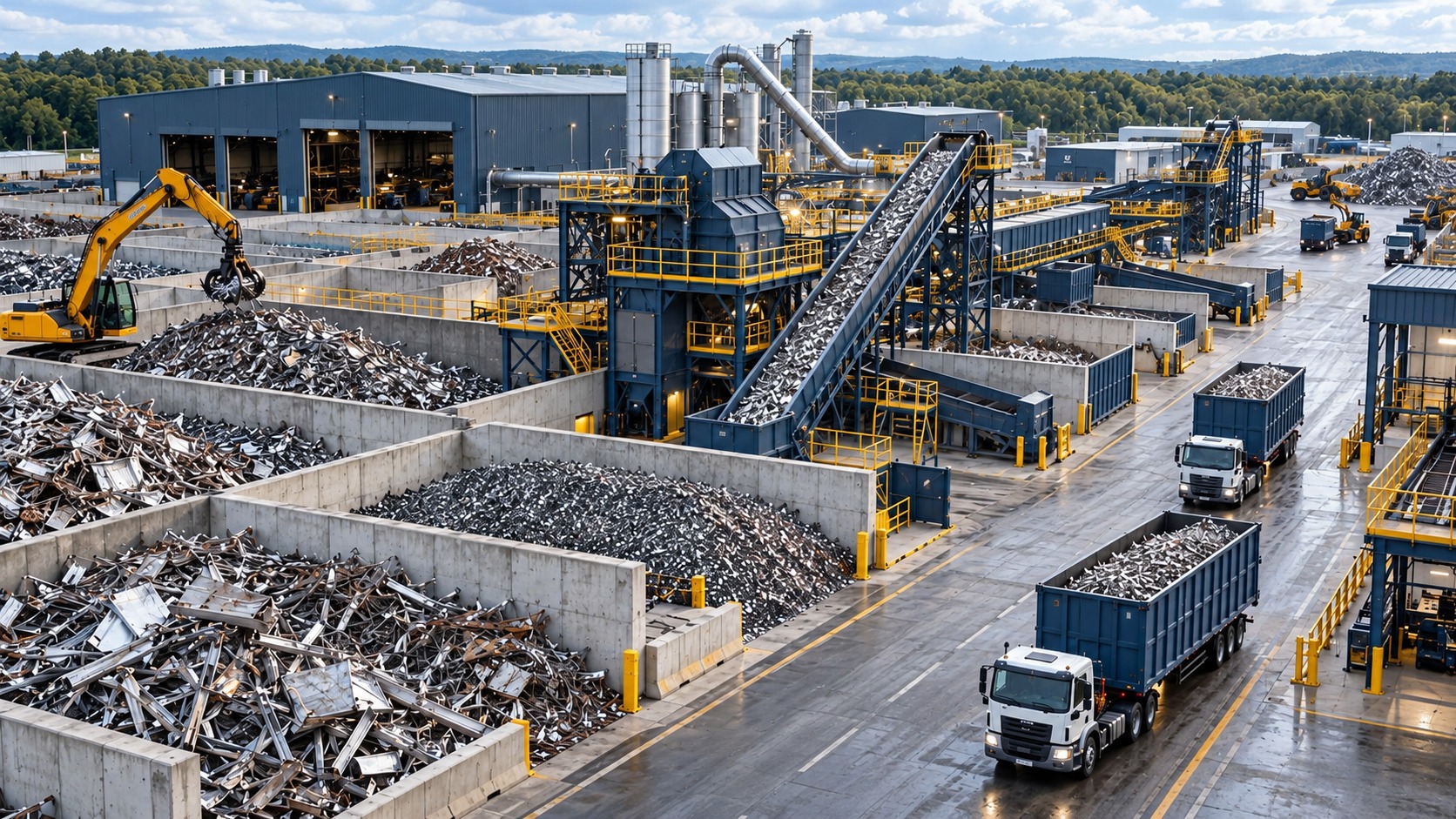
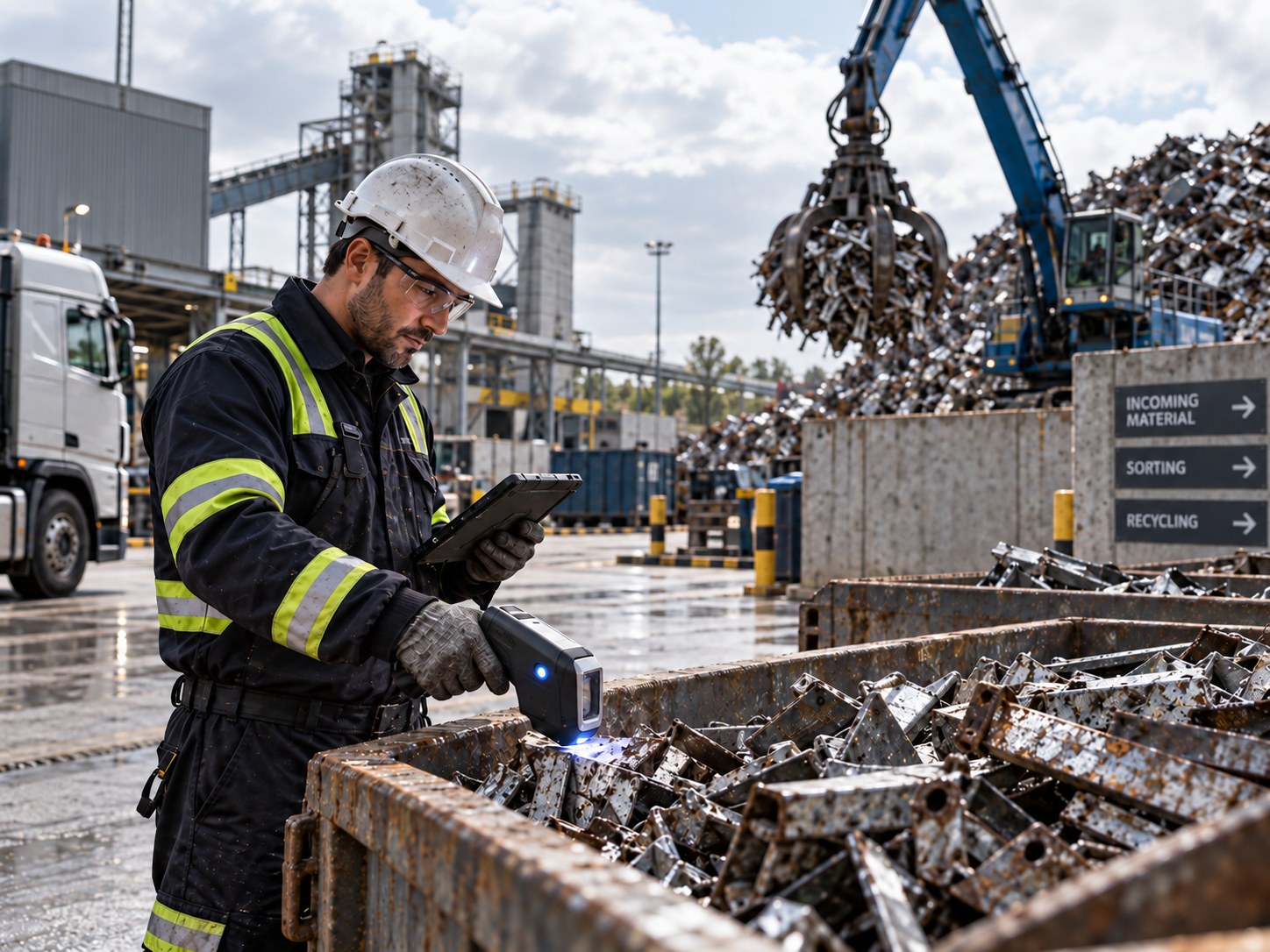
Recycling companies collect, sort and process steel scrap for further industrial use. Scrap shears, baling presses and other technologies produce material that meets specified quality requirements.
01
Efficient
Processing
02
Specified
Grades
03
Industrial
Cycles
TECHNOLOGY FOR QUALITY
From mixed feedstock to fractions suitable for industrial use: processing combines shredding, air classification and magnetic separation.
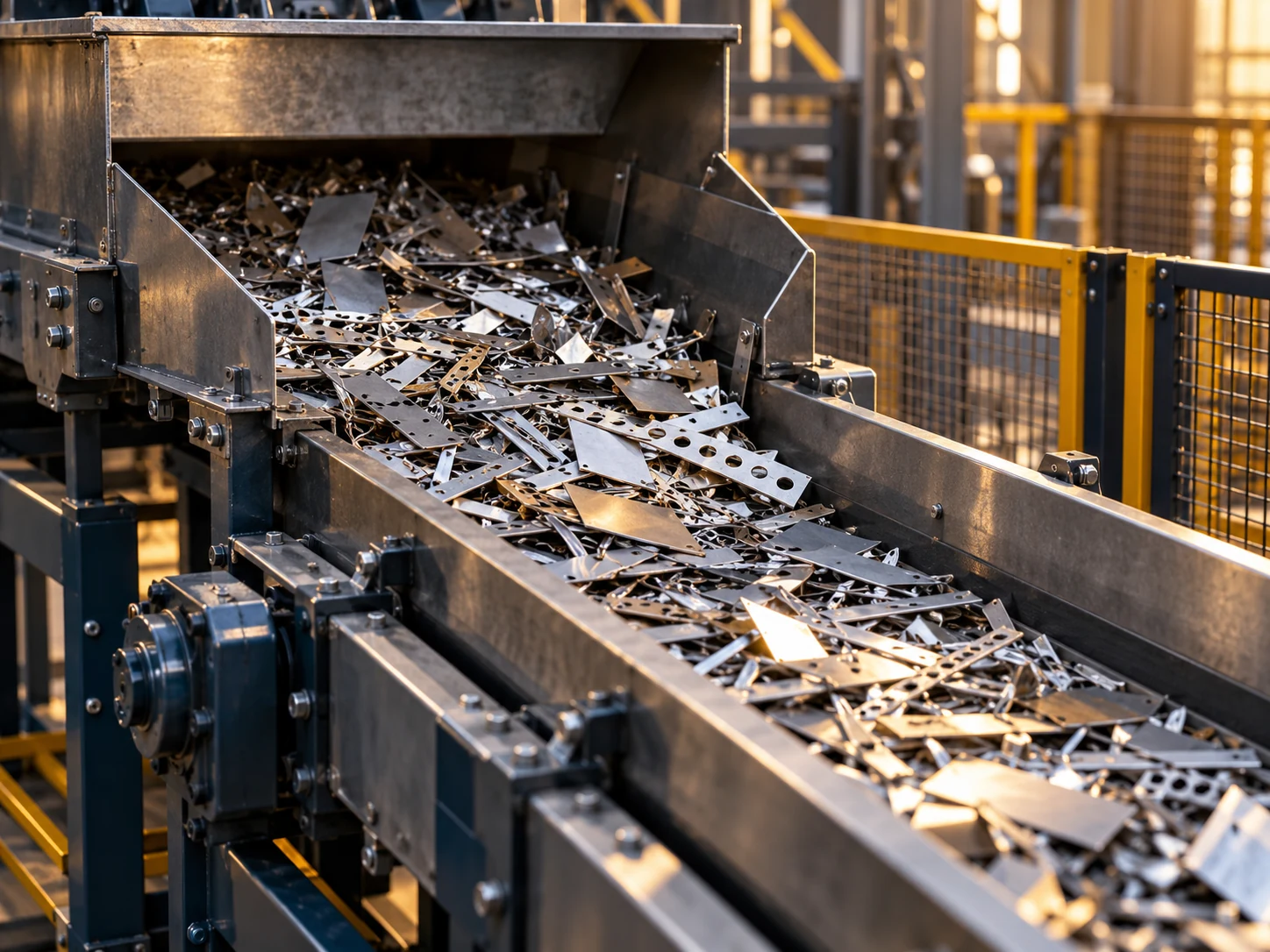
01 — INPUT
End-of-life products containing steel and mixed scrap are collected, inspected and fed into the shredder plant in a controlled manner.
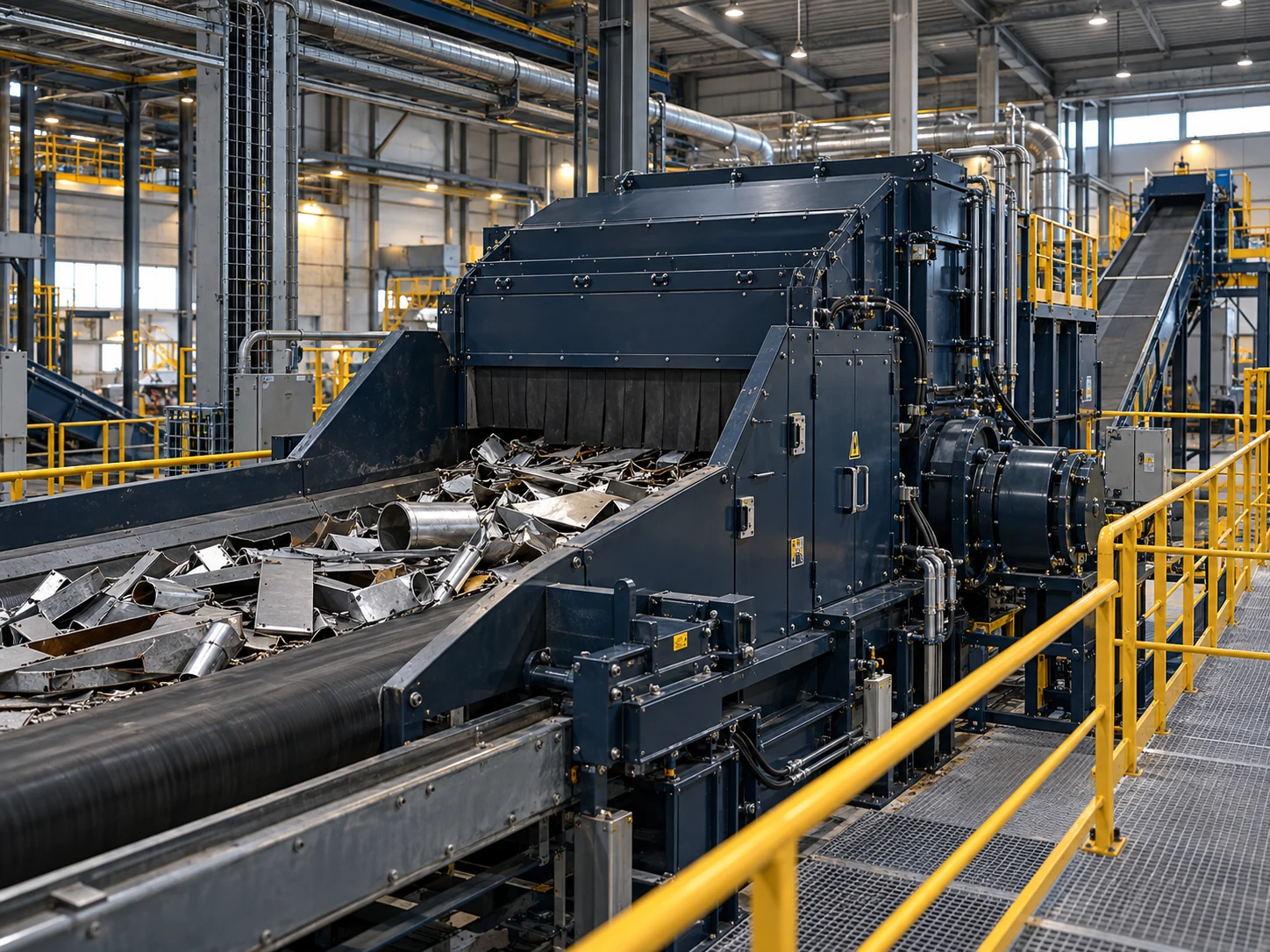
02 — SHREDDING
A hammer mill shreds the feedstock and breaks apart composite materials. Air classification removes light non-metallic components.
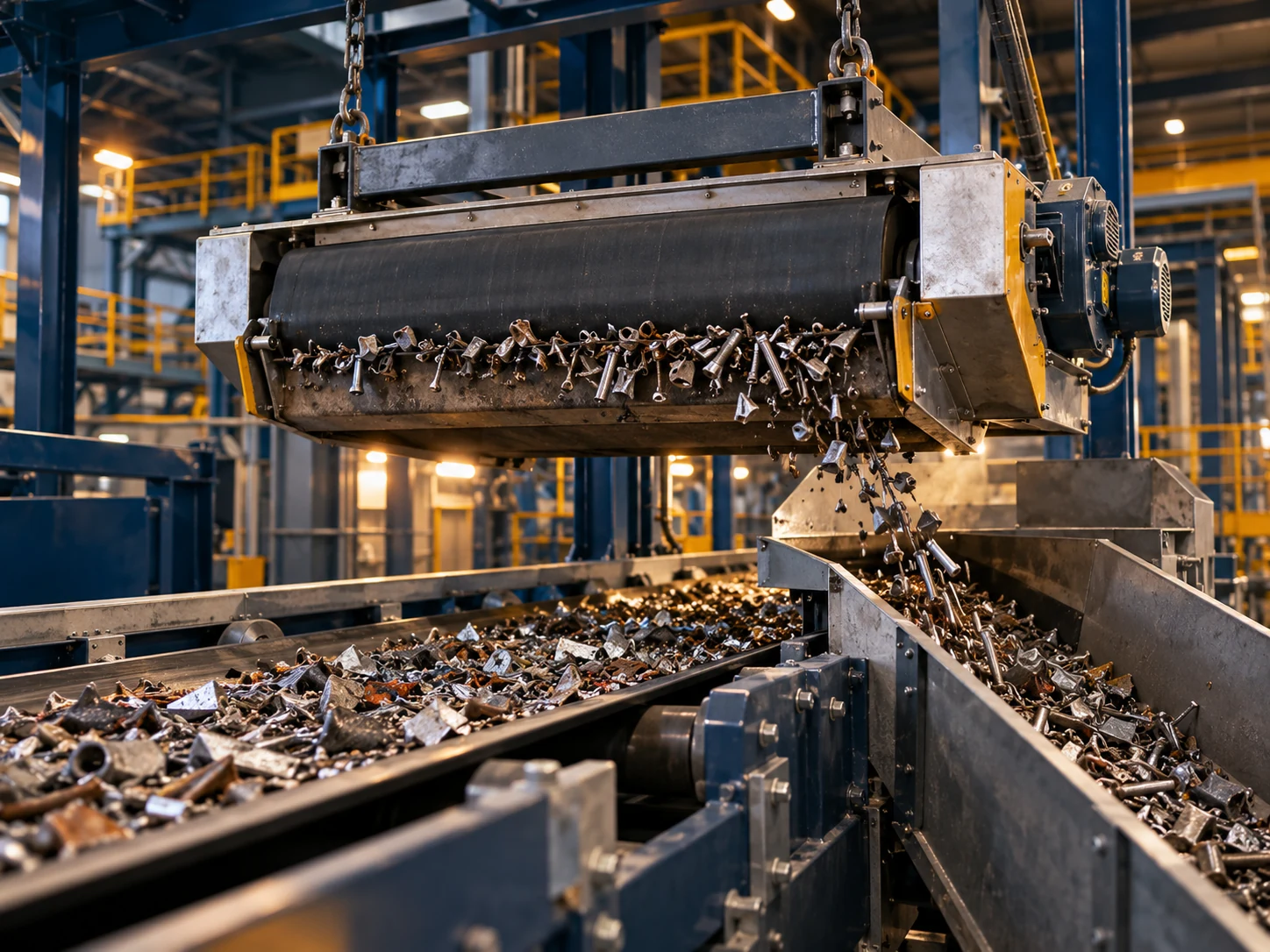
03 — SEPARATION
Magnets separate ferrous material from the remaining fraction. Further separation processes enable the recovery of non-ferrous metals.
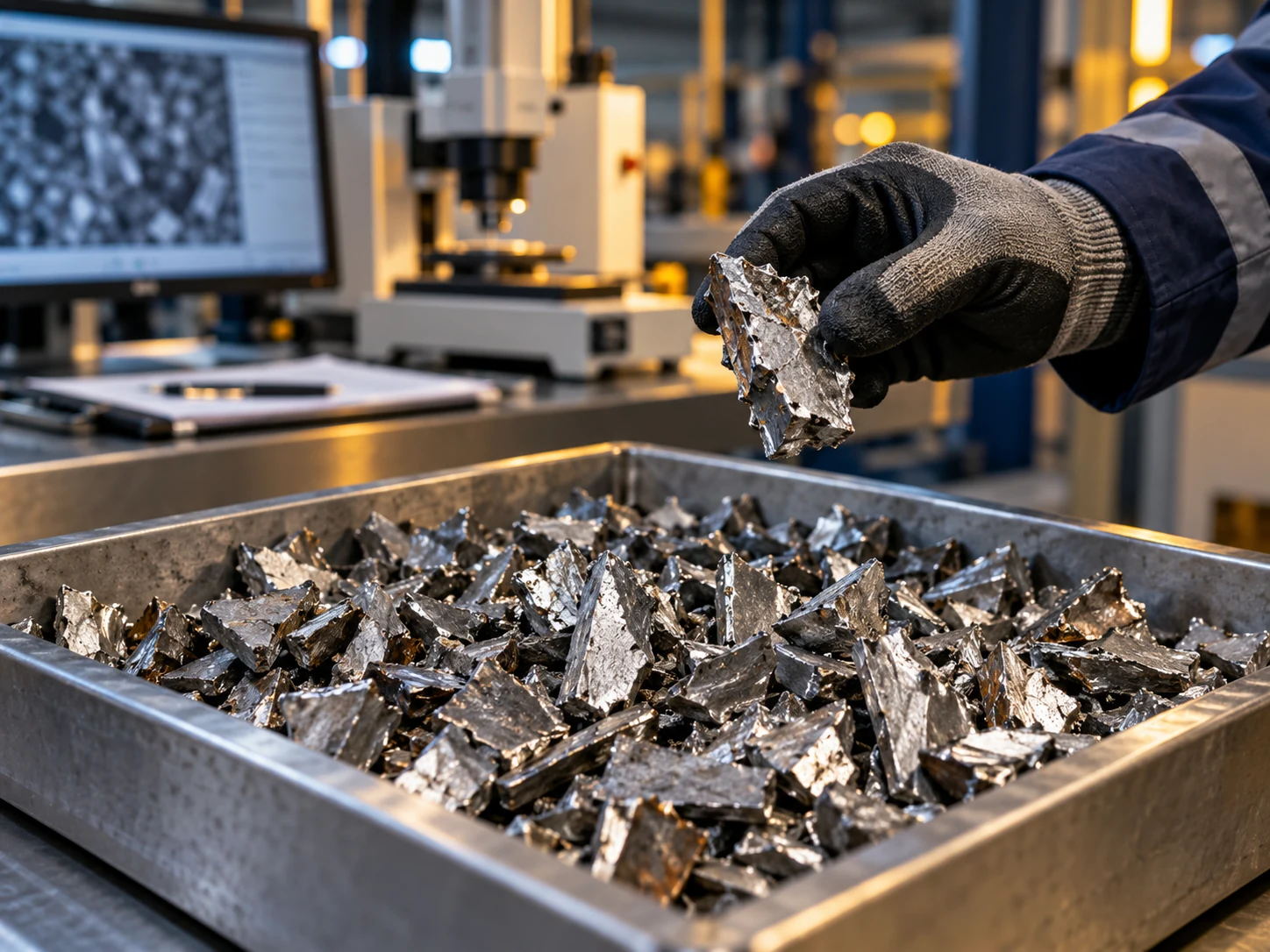
04 — OUTPUT
Processing produces dense, homogeneous shredded steel scrap – a specified feedstock for new steel production.
DEEPEN KNOWLEDGE
of old scrap is processed in shredder plants.
is the bulk density of shredded scrap.
usable in steel production – as a dense, homogeneous raw material.

You are currently viewing placeholder content from Google Maps. To access the actual content, click the button below. Please note that this will result in data being shared with third parties.
More Information