
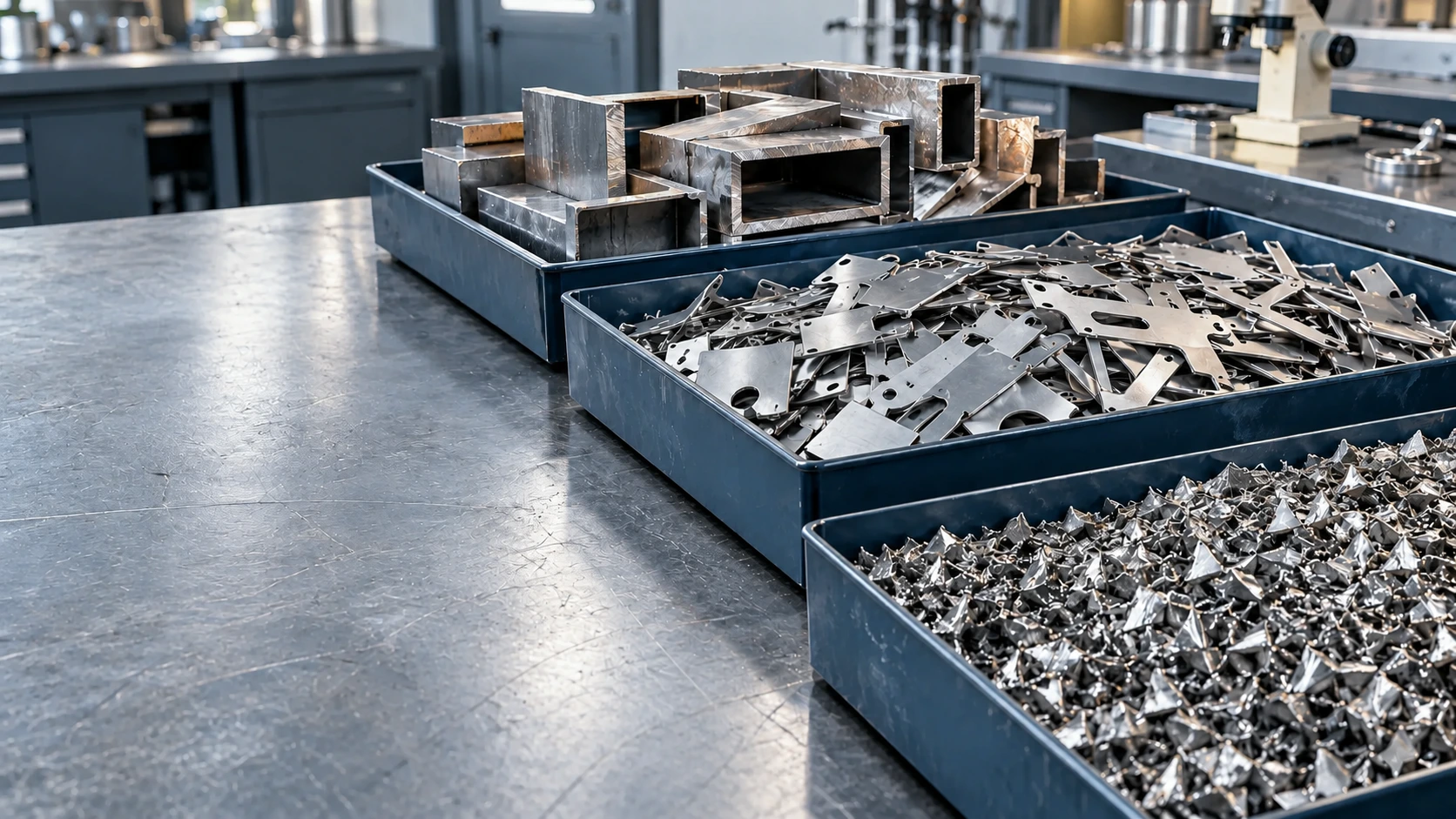
Technical overview for trade, processing, and industrial use.
Steel scrap is a key raw material in the circular economy. Clearly specified grades and quality requirements enable efficient processing and high-quality recycling in the steel industry.
ORIGIN. COMPOSITION. QUALITY.
Steel scrap varies in origin, composition, dimensions and quality. These characteristics determine how it is processed and used in industry.
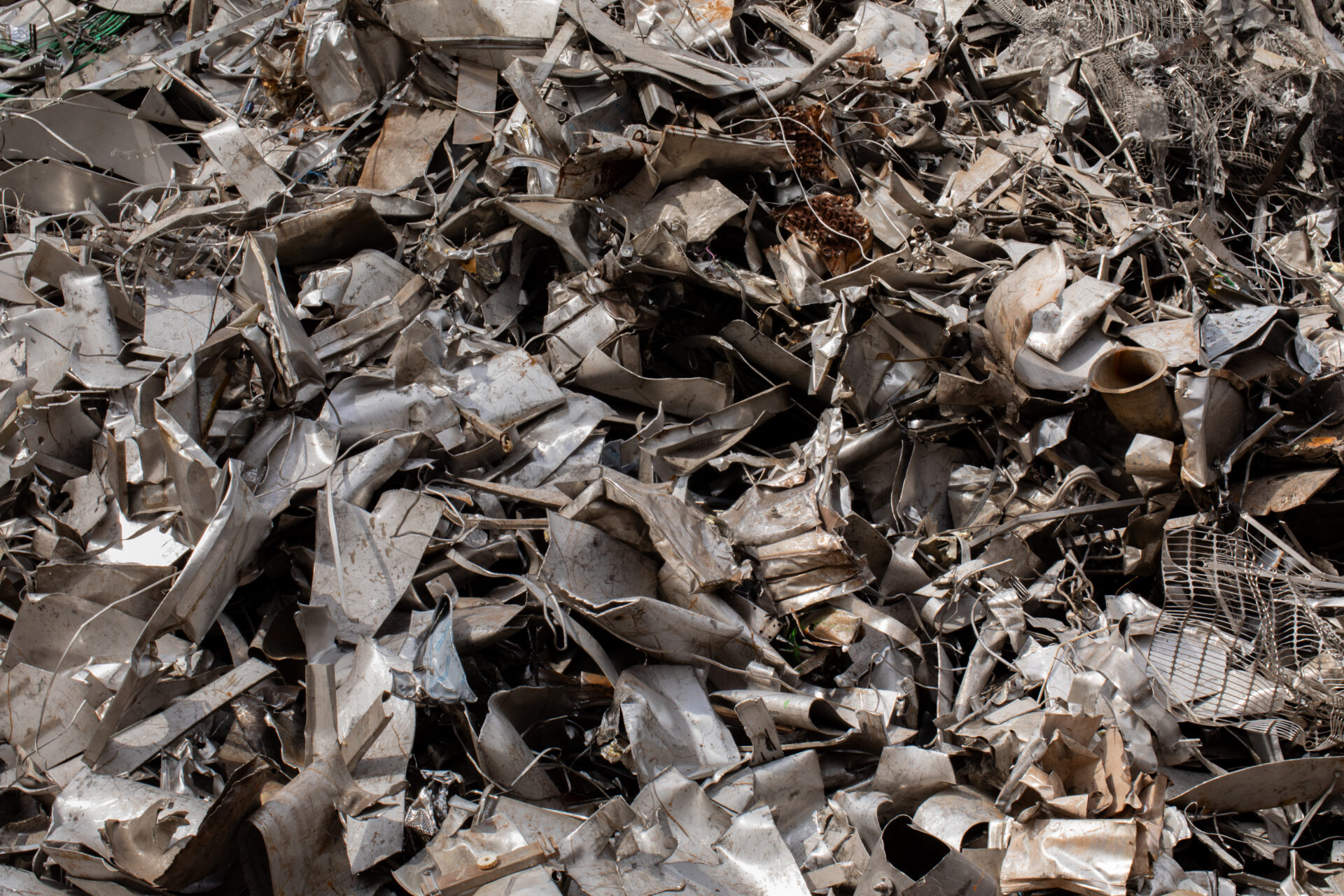
Scrap from end-of-life products, structures and equipment. Sorting and processing produce material suitable for industrial use.
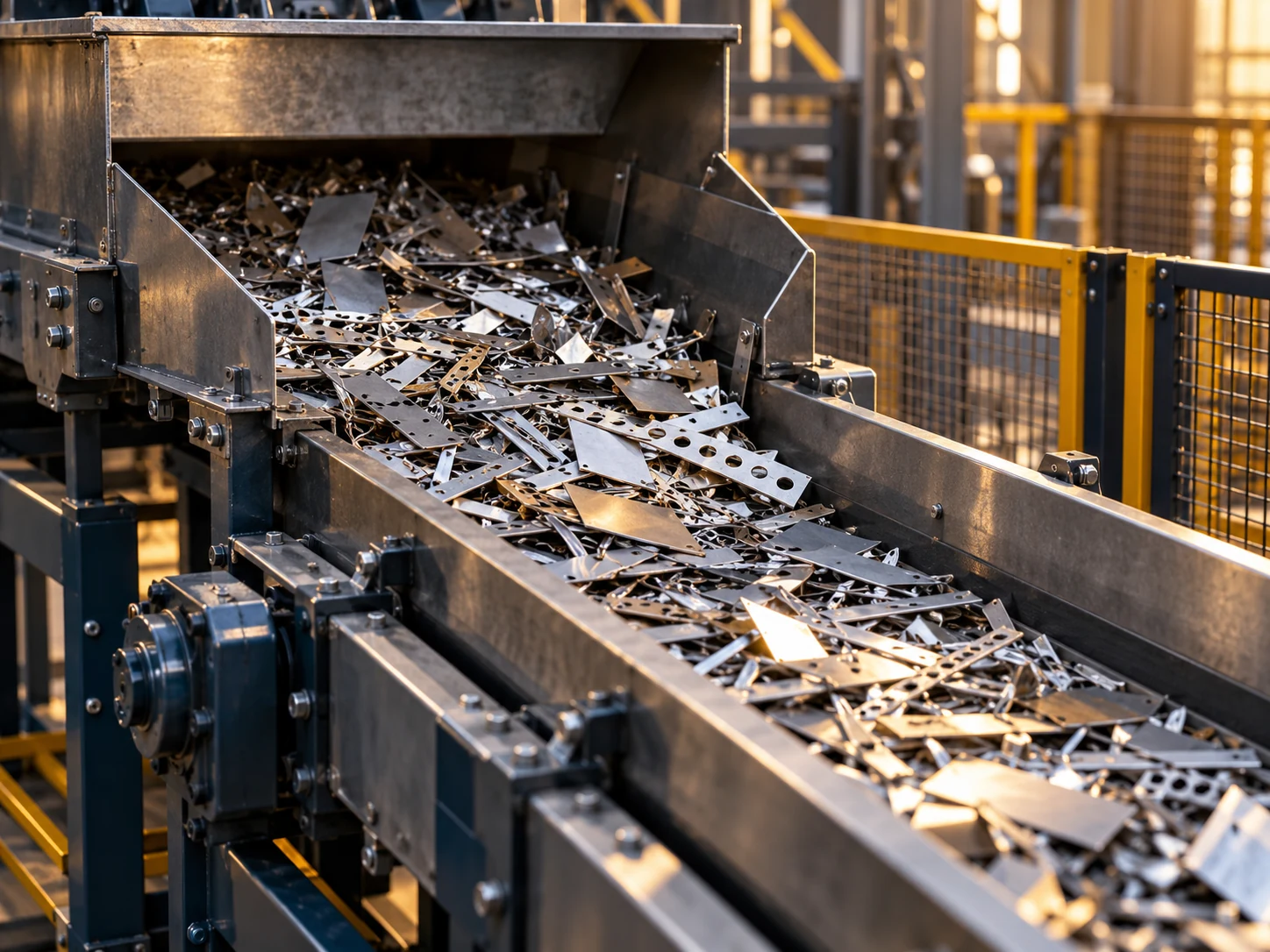
Production scrap generated during steel processing, including sheet, stampings, offcuts and swarf.
THE BASIS OF PROCESSING
Feedstock varies in origin, form, composition and quality. Sorting and processing produce material that meets specified quality requirements.
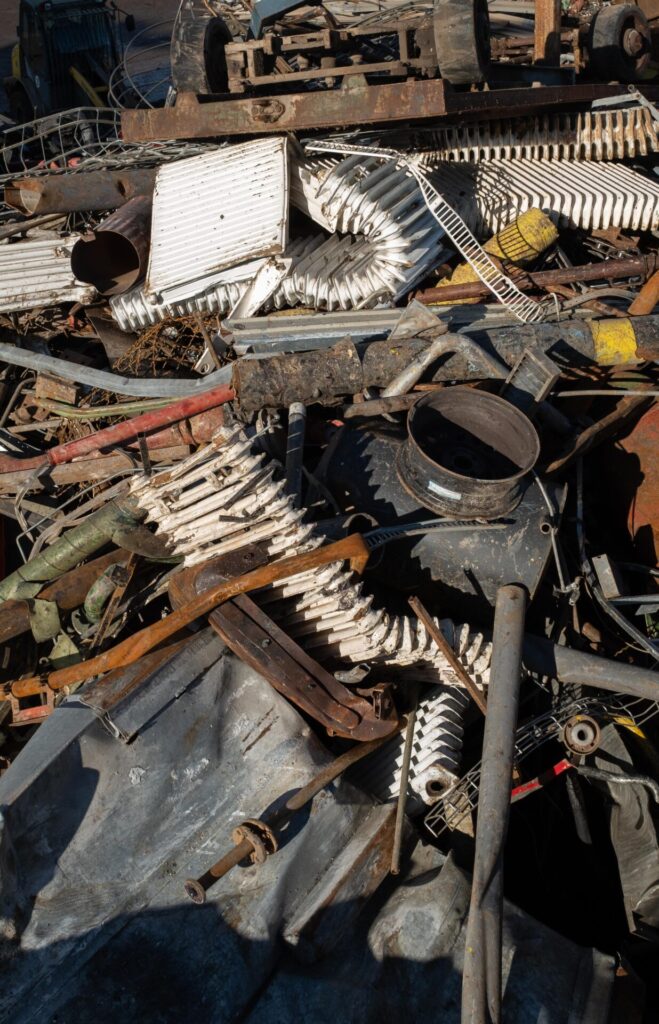
Mixed scrap is sorted, sheared and cleaned to produce grades suitable for direct use in steel production.
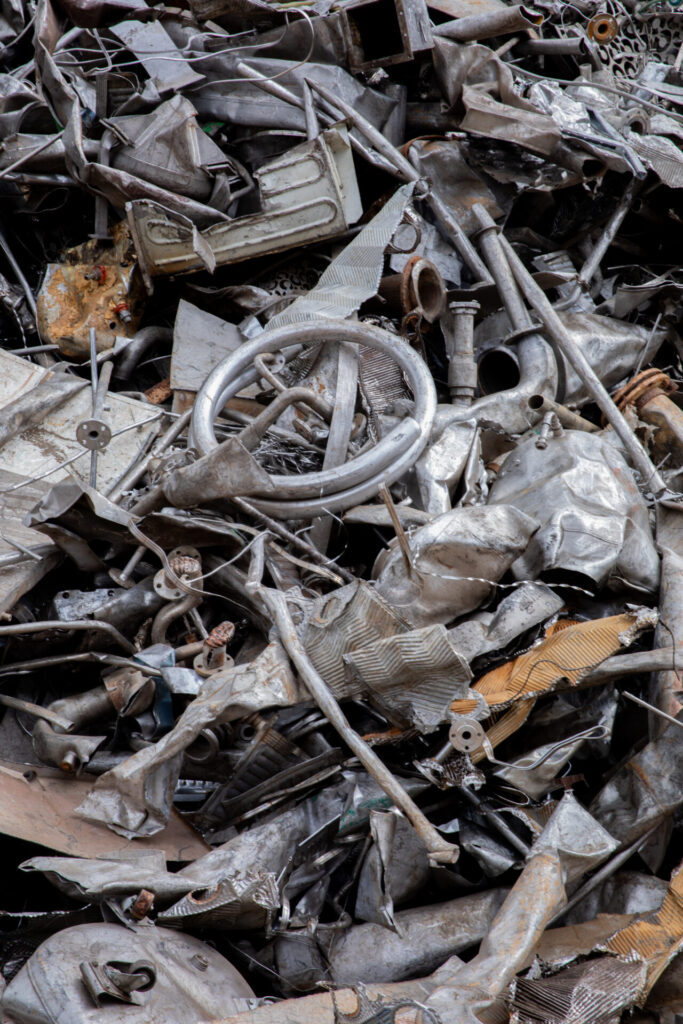
Shredder feedstock is coarsely sorted mixed scrap, prepared for shredding and material separation in a shredder plant.
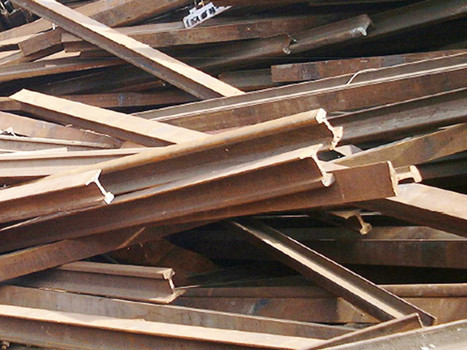
Rail scrap consists of decommissioned or damaged steel rails from railway or industrial sectors, which are returned to the recycling loop as high-quality scrap.
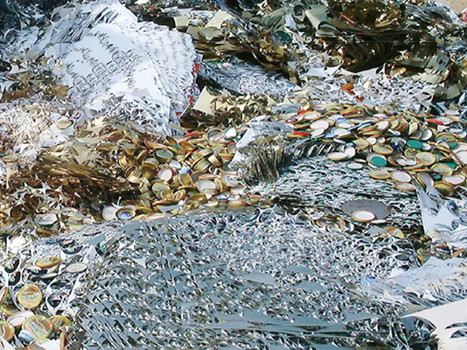
Tin-coated scrap consists of metal scrap with a tin coating and must be handled as a separate fraction during recycling.
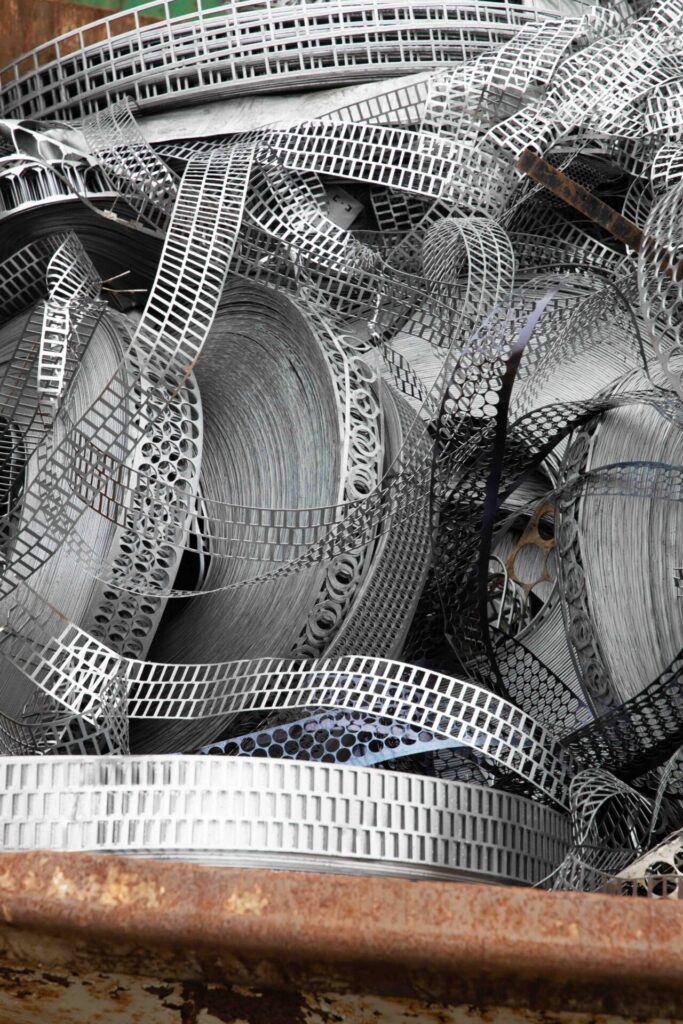
Steel production scrap includes sheet, swarf, stampings, offcuts and trim generated during manufacturing and segregated by grade.
TECHNICAL GRADE OVERVIEW
Steel scrap grades are classified by material type, thickness, dimensions and other quality characteristics. The technical designations and requirements are listed for each grade.
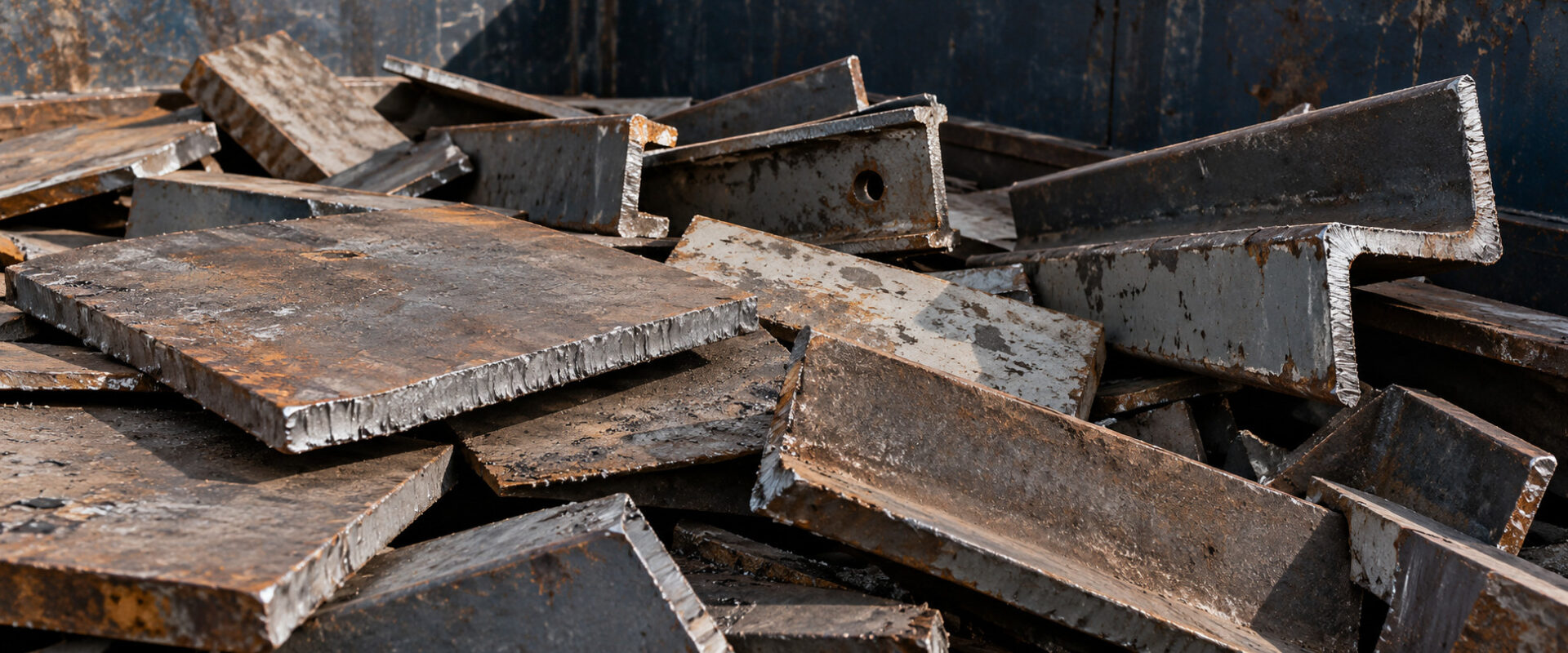
Old steel scrap, min. 4 mm thickness, maximum dimensions: 1.50 x 0.50 x 0.50 m
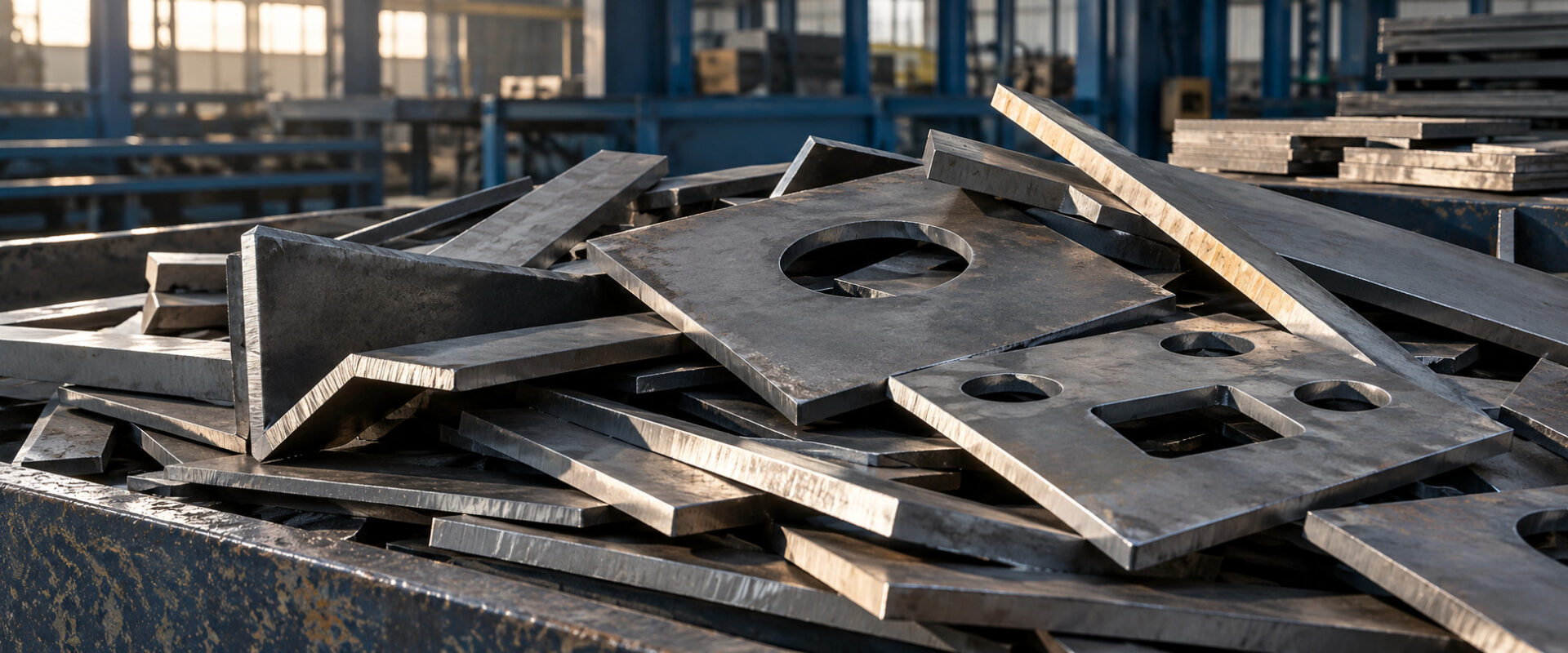
New steel scrap, min. 3 mm thickness, maximum dimensions: 1.50 x 0.50 x 0.50 m
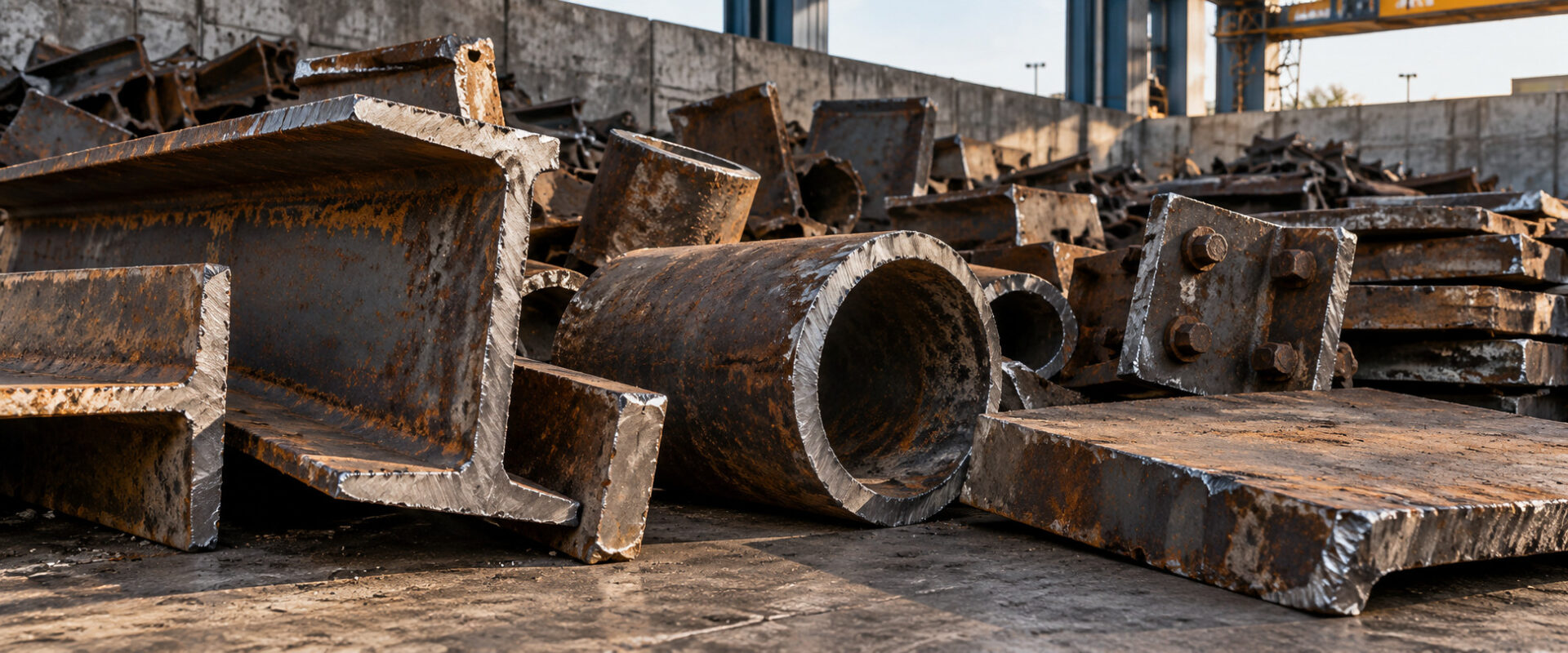
Heavy old steel scrap, min. 6 mm thickness, maximum dimensions: 1.50 x 0.50 x 0.50 m
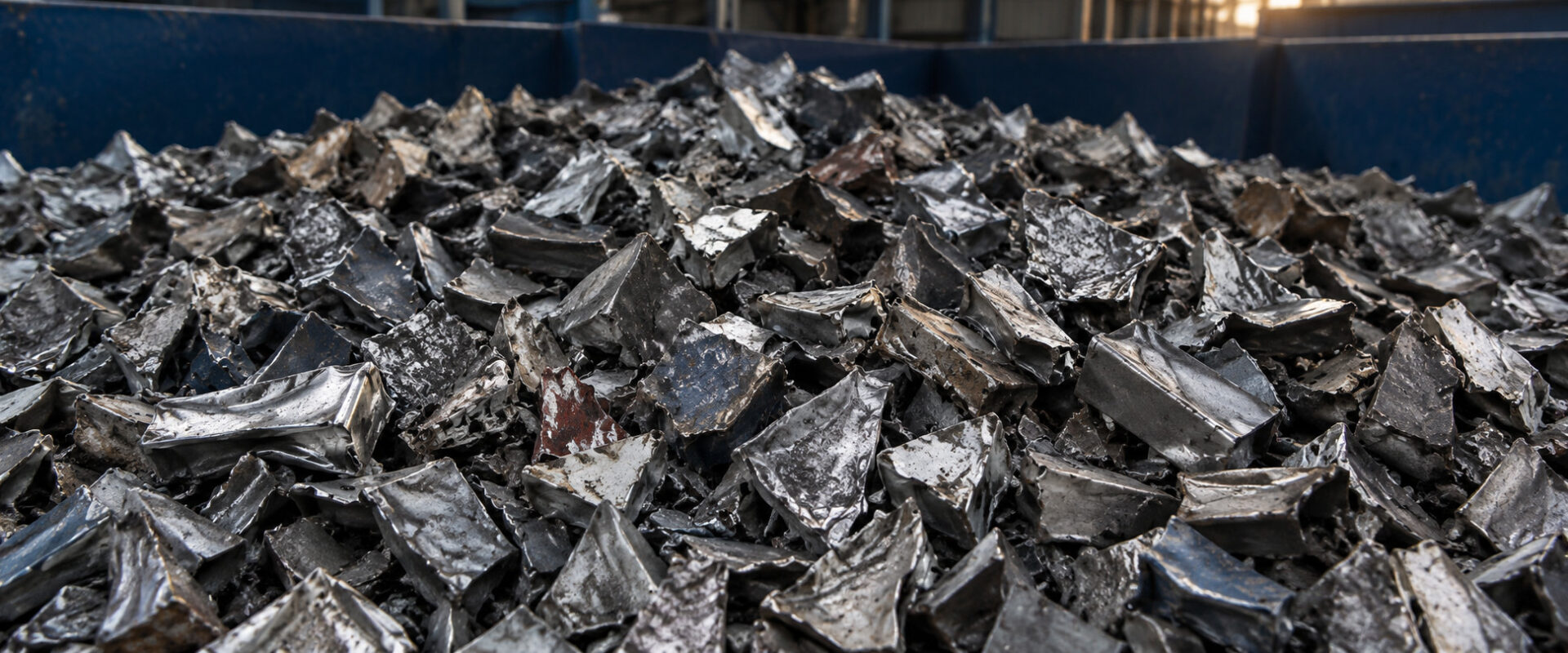
Shredded steel scrap, free from steel scrap from waste incineration or separation, bulk density (dry): min. 1.1 t/m³ Metallic iron content: min. 92%
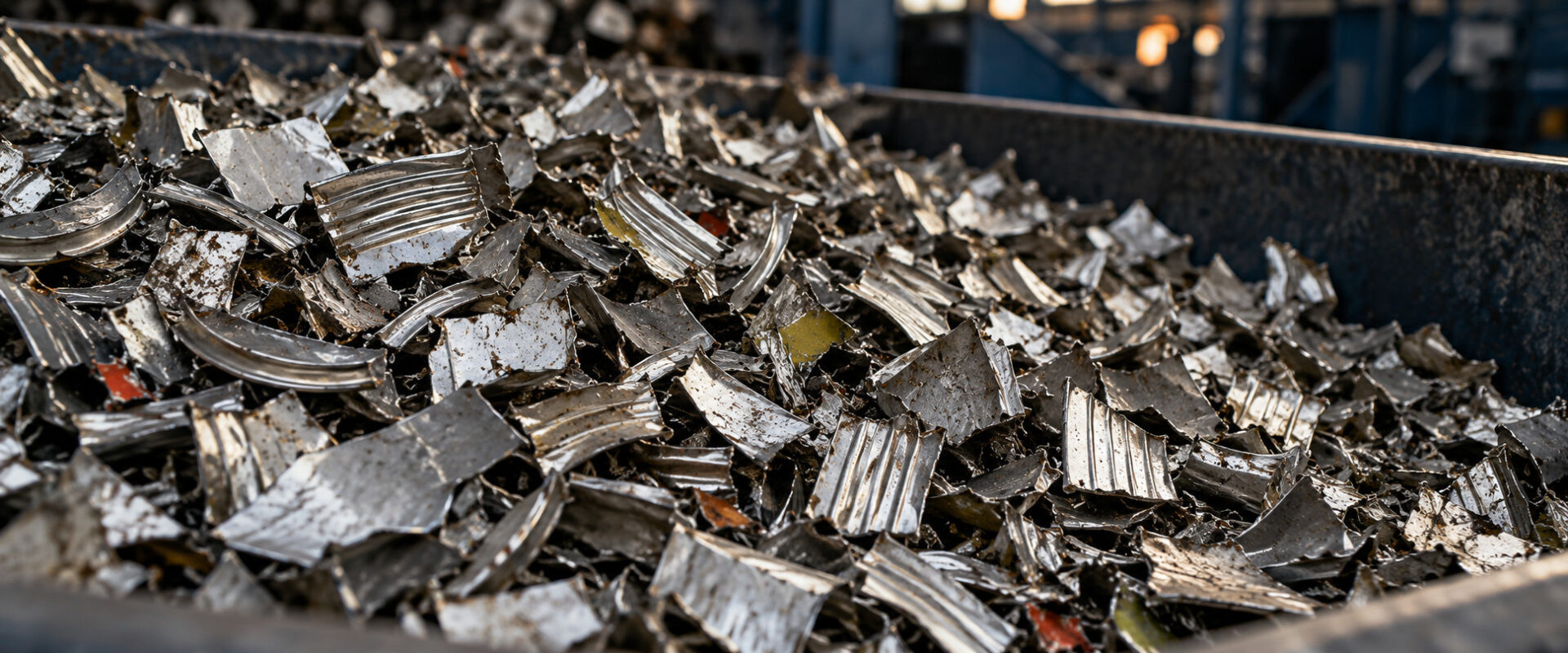
Shredded or similarly processed steel scrap from waste separation (separate recycling of cans), bulk density (dry): min. 0.9 t/m³, particle size: upper limit 50-70 mm, max. 5 % by weight < 5 mm, Metallic iron content: min. 92%, moisture: separate agreement
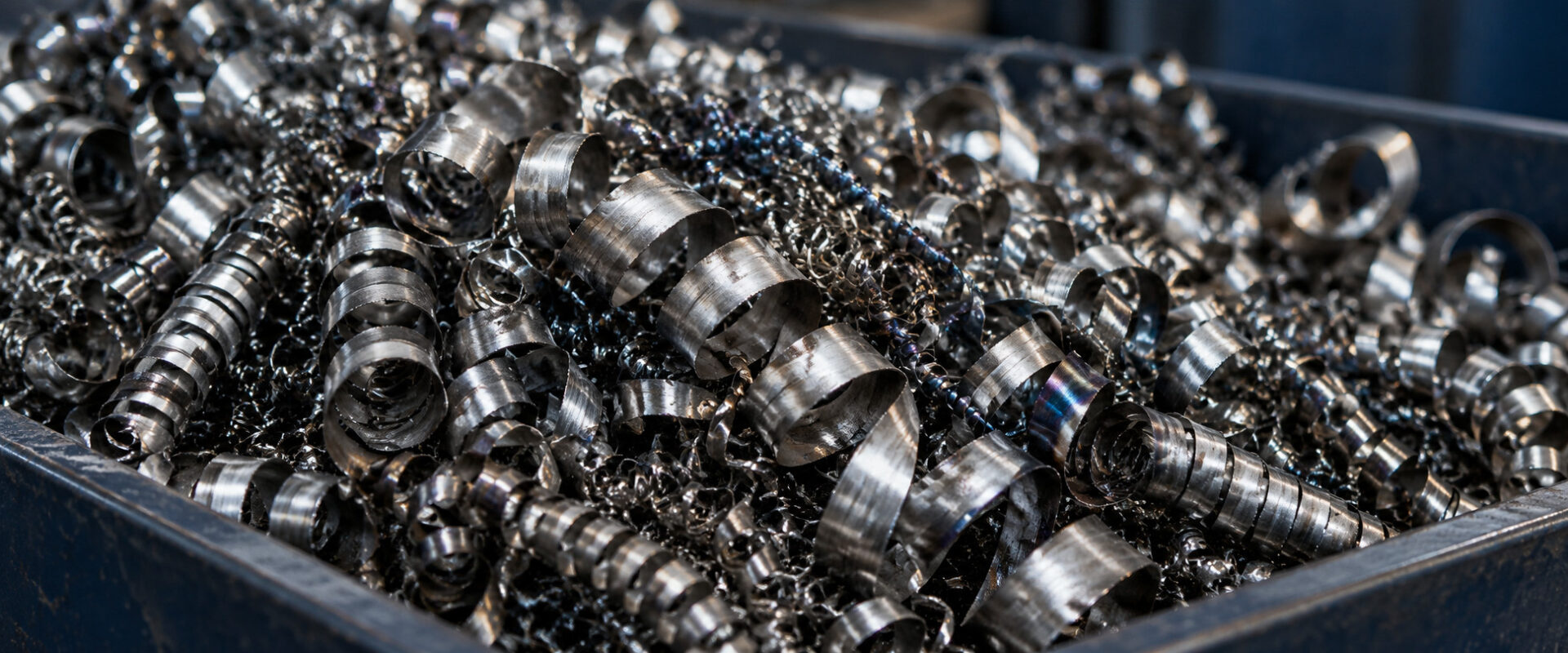
Steel turnings, free from cast iron turnings and free-cutting steel turnings
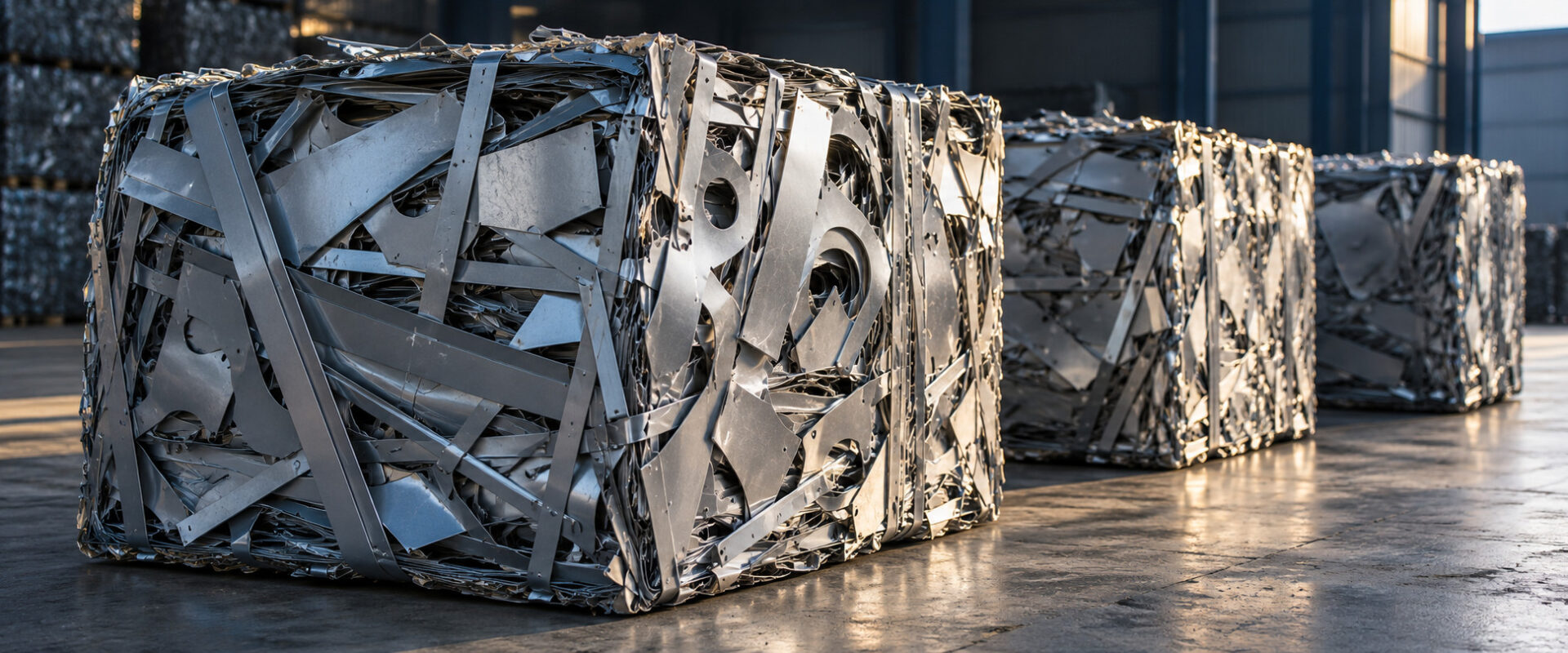
Bales of new light steel sheet scrap
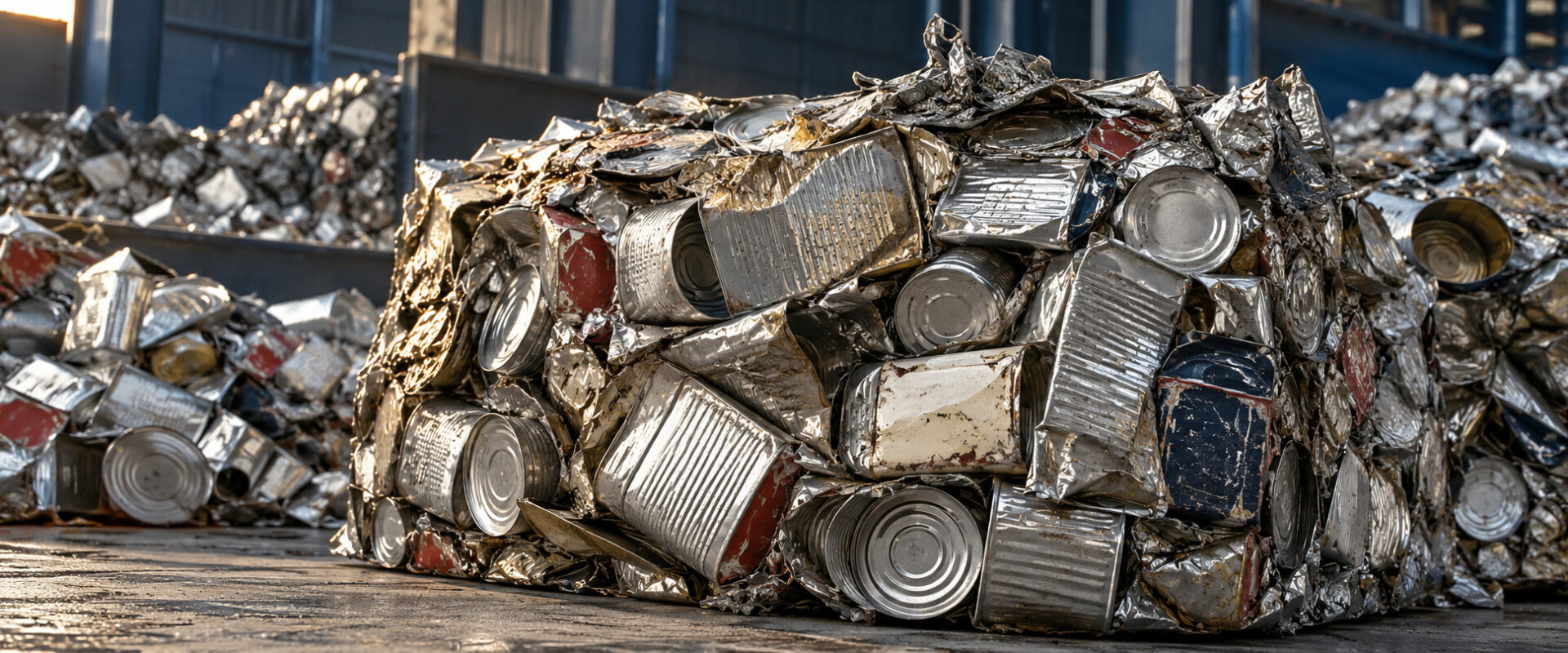
Tinplate can scrap (pre-compacted), min. 93% tinplate packaging; other suitable Fe components for the same recycling are credited to the 93% quota up to 5%, no mixing with steel scrap from waste incineration, largely free from admixtures of other packaging with the exception of packaging made of thin steel sheet. Tinplate packaging also includes its (proper) components. Bulk density on wagon or lorry: min. 0.25 t/m³, bundles (bales) must not exceed a max. edge dimension of 0.60 x 0.60 x 1.50 m
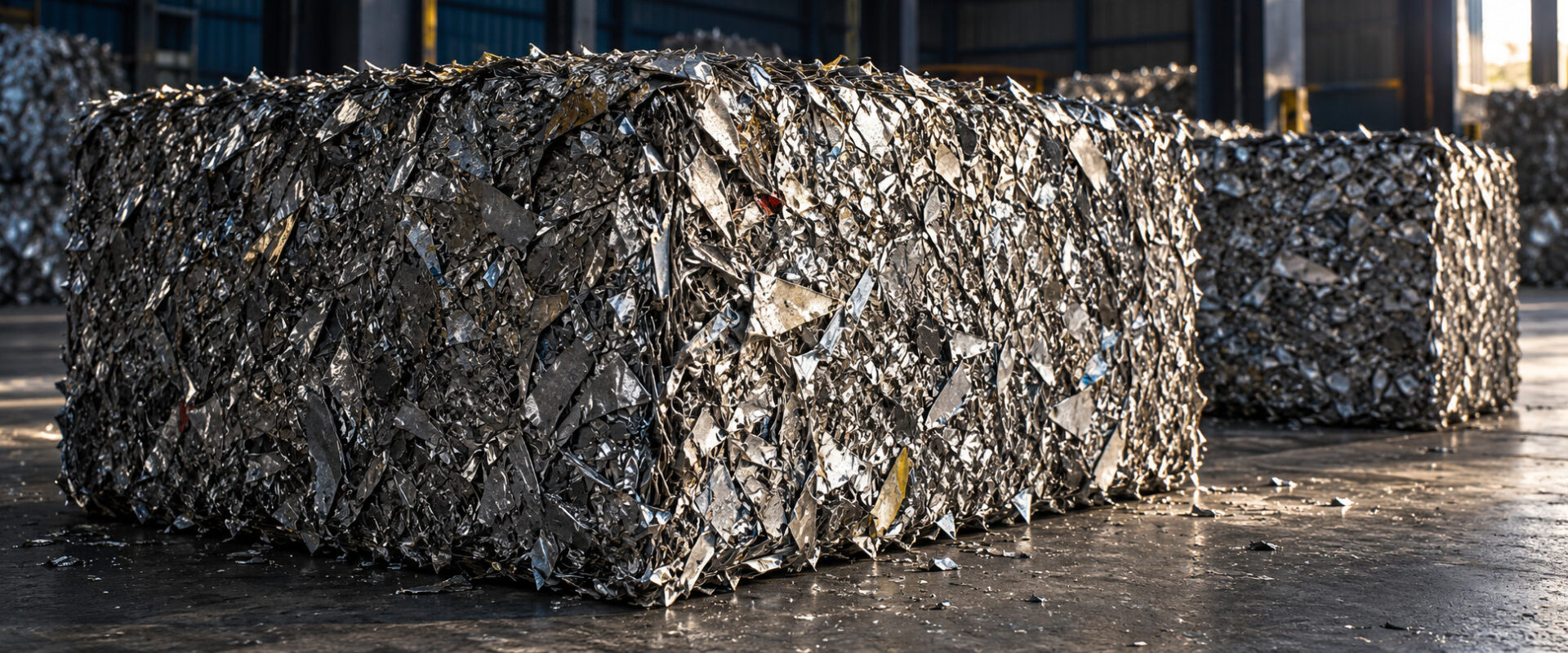
Tin-plated can scrap (baled), prepared from used tin-plated packaging processed by shredding or similar methods. Bulk density: min. 1.6 t/m³, edge dimensions: max. 0.50 m x 0.50 m x 1.50 m. Impurity content: max. 2.5% determined by ignition test.
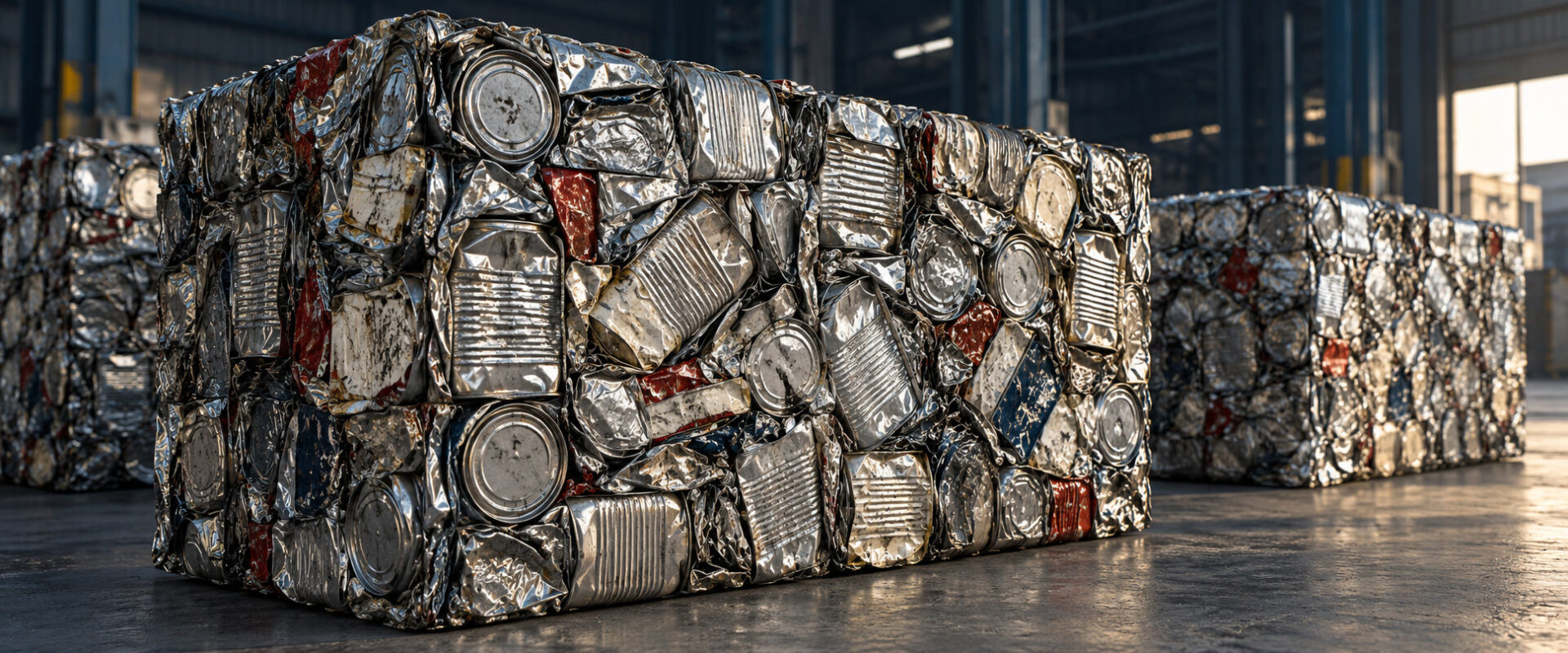
Tinplate can scrap (baled), min. 93% tinplate packaging; other suitable Fe components for the same recycling are credited to the 93% quota up to 5%, no mixing with steel scrap from waste incineration, largely free from admixtures of other packaging with the exception of packaging made of thin steel sheet. Tinplate packaging also includes its (proper) components. Bale density: min. 1.3 t/m³, bulk density on wagon or lorry: min. 0.4 t/m³, bales must not exceed an edge dimension of 0.60 x 0.60 x 1.50 m
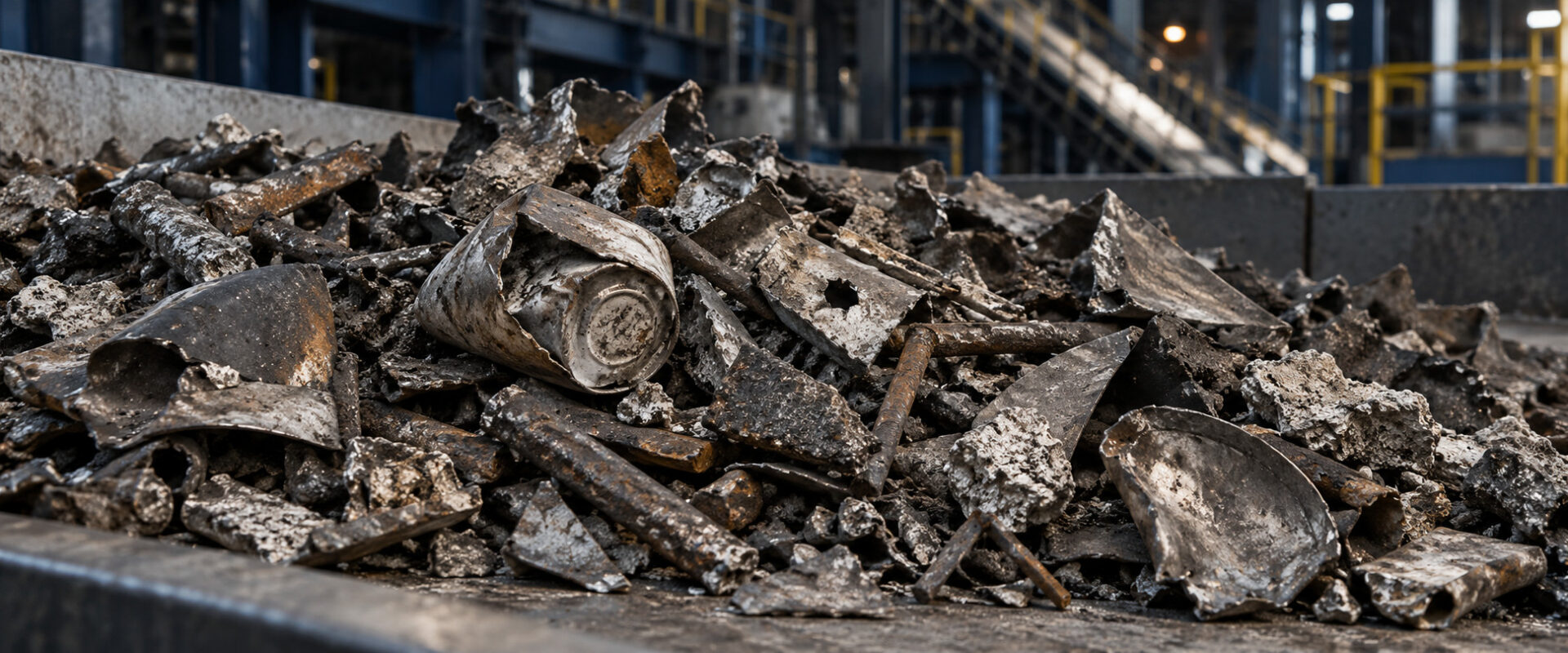
Steel scrap from waste incineration, free from electrical assemblies and copper-bearing material, bulk density: min. 0.4 t/m³, particle size: max. 1500 mm max. 5 % by weight < 5 mm Metallic iron content: min. 85%
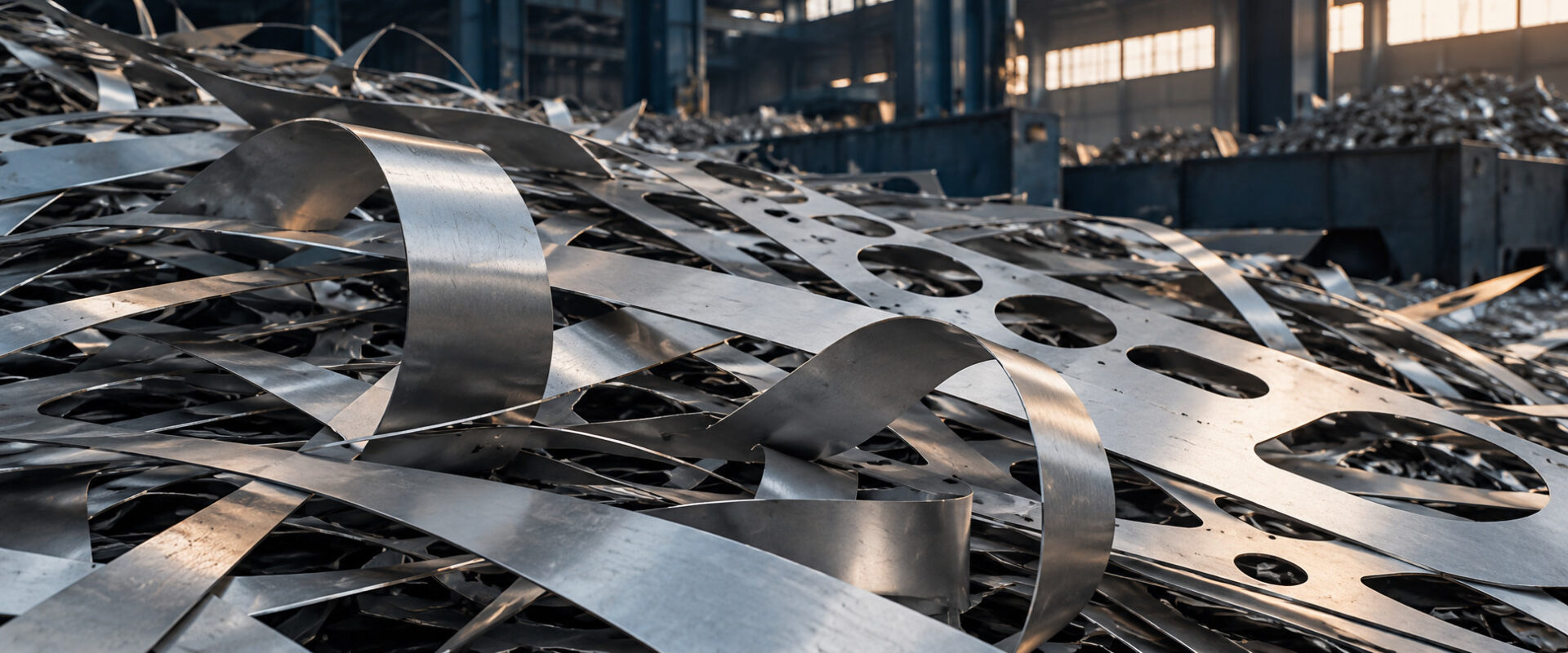
New steel scrap, under 3 mm thickness, maximum dimensions: 1.50 x 0.50 x 0.50 m
GERMAN GRADE LIST
The supplementary grade list is divided into cast iron scrap and foundry steel scrap from old and new scrap.
Broken ingot moulds, ingot mould bases and casting plates, hand-sized
Machine cast iron scrap, hand-sized, especially thick-walled pieces from: machine tools, other machinery (including agricultural) and engines, generally not under 10 mm thick, feeder heads, wagon axle boxes (free from oil, grease or other adhesions) and rail chairs, all free from steel and burnt cast iron, wrought iron and enamel
Commercial cast iron scrap, hand-sized, especially clean, thick-walled pipe cast iron scrap, building cast iron scrap, thin-walled scrap from agricultural machinery, sewerage parts, paving slabs and unburnt furnace parts, all free from steel and burnt cast iron, wrought iron and enamel
Cast iron swarf
Old scrap, min. 6 mm, diagonal length a) max. 40 cm, b) max. 150 cm
Railway superstructure scrap, such as hook plates, screws, nails, base plates, rib plates, clamping plates, railway switch and frog pieces, sleeper pieces, grooved rail pieces, field railway and mine rail pieces, mine support profiles (arch girders), chain scrap
Railway rail pieces
Steel turnings
New scrap, min. 3 mm, unless covered under II/2-7
Forging scrap (dies, flash scrap), heavy skulls up to approx. 30 cm, flanges from 5 mm, drawing ends, billet ends
Heavy plate offcuts from 5 mm, section iron offcuts, bar iron offcuts
Chopped scrap, wide strip edge trim scrap, TZ punching waste, light trimming scrap
Deep-drawing sheet packages 40 x 40 x 60 cm
Deep-drawing sheet packages 30 x 30 x 30 cm
Small scrap – including rivets, pins, bolts, screws, nuts, etc.
RAW MATERIALS & CIRCULARITY
Learn more about processing, metal cycles, and market information.

You are currently viewing placeholder content from Google Maps. To access the actual content, click the button below. Please note that this will result in data being shared with third parties.
More Information